THE SACRED SEASON JOURNAL
By Sacred Season Coaching · October 21, 2026
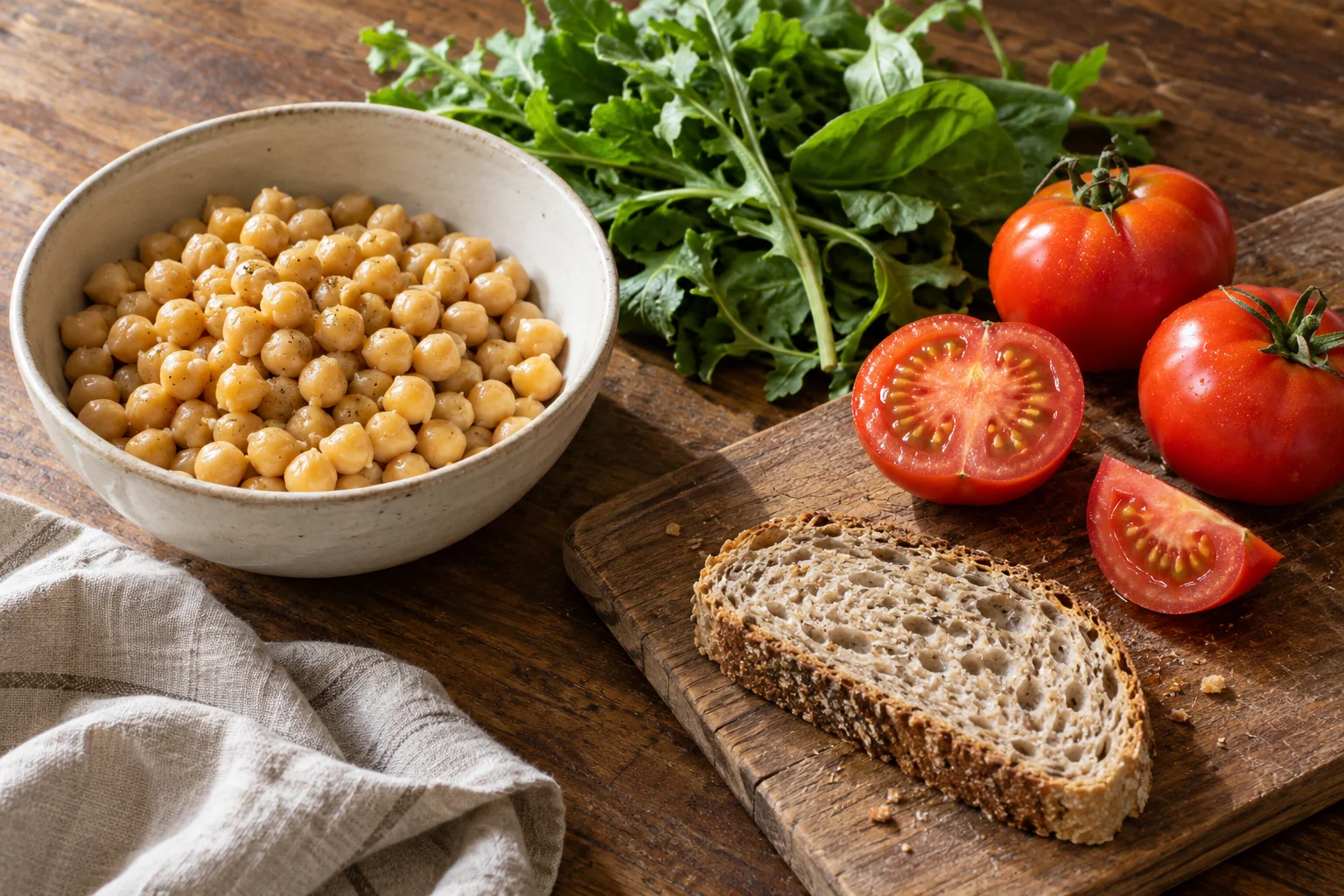
When we think about nourishing our bodies, food is often the first thing that comes to mind. We think about nutrients, vitamins, minerals, protein, healthy fats, and all the things our bodies need to function well. And rightly so. Food matters. It provides the building blocks our bodies need to maintain health, produce energy, repair tissues, and support the many processes that keep us going.
But over time, I've come to see nourishment as something much bigger than what we put on our plates. For me, learning to nourish myself became part of a much deeper journey. As I navigated menopause and began looking more closely at my health, I also started examining the way I was living, the choices I was making, and the relationship I had with myself.
I began to understand that caring for my body wasn't simply about finding the right foods or following a particular approach to nutrition. It was also about learning to listen to myself, recognize my needs, and make choices that supported the life I wanted to live. Food became one important part of that process, but it wasn't the whole story.
I sometimes think of food as “information,” but I use that as a metaphor, not a precise biological definition. Food supplies nutrients that our bodies use for energy, growth, and repair. NIDDK explains how digestion makes those nutrients available.
Our bodies use these nutrients to produce energy, maintain muscle and bone, support the immune system, build and repair tissues, and keep many essential systems working. Different foods offer different things. Protein provides amino acids, fats supply essential fatty acids and help us absorb certain vitamins, and carbohydrates provide an important source of energy. Vitamins, minerals, fiber, and other naturally occurring compounds also play valuable roles in our health.
This is one reason I believe it is worth developing a greater understanding of what we eat and how our food choices support us. But I also believe this understanding should empower us rather than overwhelm us. We don't need to analyze every bite, chase every new nutrition trend, or turn eating into another task we must perform perfectly. We can learn about nutrition while remaining flexible, curious, and connected to our own needs.
Food should support our lives, not become the center of every decision we make. The goal is not perfection. It is learning, little by little, what helps us feel nourished and supported.
Something I've learned throughout my own journey is how easy it can be to lose touch with ourselves. When we spend years prioritizing other people, meeting expectations, or trying to get everything right, we can become accustomed to ignoring our own needs. We may push through tiredness, overlook hunger, delay meals because we are busy, or continue with habits that no longer feel supportive simply because they are familiar.
Sometimes, we don't even realize we are doing it. Learning to nourish ourselves can begin with the simple act of paying attention. Am I eating regularly enough to support my energy? Am I giving myself time to sit down and enjoy a meal? Am I noticing when I'm hungry or comfortably full? Am I making choices that leave me feeling supported, or am I following rules without considering what I actually need?
These questions aren't about judging ourselves. They are invitations to become more aware. Our bodies give us information all the time, although interpreting those signals isn't always straightforward. Hunger, appetite, energy, digestion, and food preferences can be influenced by many things, including stress, sleep, hormones, medications, and our individual circumstances.
We don't need to get every signal right. We can simply begin by becoming more curious about what our bodies are telling us. The more we practice paying attention without criticism, the more opportunities we have to make choices with intention.
We can know a great deal about nutrition and still have a difficult relationship with food. We might know which foods provide certain nutrients, yet feel guilty when we eat something we consider unhealthy. We might carefully plan our meals but become anxious when life doesn't go according to plan. We might move between trying to control everything and feeling as though we've failed when we cannot maintain those expectations.
For some of us, food becomes another place where perfectionism shows up. I believe there is room for a different approach. What if we could learn about nutrition without becoming afraid of food? What if we could make supportive choices without labeling every decision as good or bad? What if we could enjoy a meal without feeling that we need to earn it or compensate for it afterward?
A nourishing way of eating doesn't need to be rigid to be thoughtful. It can include variety, flexibility, pleasure, and the understanding that our needs change. It can make room for the realities of everyday life, including celebrations, busy days, changing appetites, and meals that don't look exactly as we planned.
Food is not a measure of our worth, and one meal does not define our health. When I approach nourishment with greater compassion, I find more room to move away from the pressure to get it right and toward a relationship with food I can return to.
As I worked through my own health challenges, I began to appreciate how interconnected the different parts of our lives can be. Nutrition mattered to me, but so did learning to understand my emotional patterns, recognize where I was compromising my own needs, and reconnect with the person I wanted to be.
I started to see that supporting my well-being meant looking beyond a single habit or solution. What was I eating? But also, how was I sleeping? How much stress was I carrying? Was I making space for rest? Was I honoring my own boundaries? Was I living in a way that felt aligned with my values?
These questions didn't have simple or immediate answers. They required patience, reflection, and a willingness to look honestly at my life. I also came to understand that caring for my body and caring for my inner world didn't have to be competing priorities. I could work on nourishing myself with balanced, supportive meals while also learning to say no when I needed to, express my feelings more honestly, and make choices that reflected my authentic self.
Neither part needed to be completed before I could begin the other. This combination became an important part of my approach to holistic wellness. I began to see nourishment not as a single intervention, but as one part of a broader practice of caring for myself. That doesn't mean emotional work replaces good nutrition, or that nutrition alone can address every challenge we face. It means recognizing that our well-being has many dimensions, and giving ourselves permission to care for more than one at a time.
Nourishment doesn't have to involve a complete lifestyle overhaul. Often, it begins with small, practical choices that we can build upon over time. It might mean making a little more room for variety on your plate, including foods that provide protein, fiber, healthy fats, and the vitamins and minerals your body needs.
It might mean planning ahead so that nourishing meals are easier to access on busy days, or allowing yourself to eat regularly rather than waiting until you are completely depleted. It might mean sitting down for a meal instead of eating in a rush whenever possible. Perhaps it means noticing how different foods affect your energy or digestion, while remembering that these experiences can vary from day to day.
And sometimes, nourishment has very little to do with changing what's on your plate. It might mean getting to bed a little earlier, taking a break when you are tired, asking for help, or allowing yourself to enjoy something without guilt. For someone who has spent years putting everyone else first, nourishment might even begin with asking, "What do I need today?" and allowing the answer to matter.
None of these choices needs to be dramatic. We don't have to do everything at once, and we don't need to turn self-care into another demanding checklist. We can begin where we are, make one supportive change, and build from there.
One of the things I want to emphasize is that nourishment is personal. Our nutritional needs can differ depending on our age, health, activity, life stage, and individual circumstances. What works well for one person may not work in the same way for another. This is particularly relevant during periods of transition, such as menopause, when changes in hormones, sleep, appetite, body composition, and other aspects of health may prompt us to reassess how we care for ourselves.
But we don't need to respond to every change with fear or the assumption that we must overhaul everything. We can approach our bodies with curiosity. We can seek reliable information and appropriate professional support when we need it. We can experiment thoughtfully with habits that support our well-being and adjust as our needs change.
Most importantly, we can remember that our bodies deserve care at every stage of life, not only when they look or feel the way we think they should. There will be days when our choices reflect our intentions and days when they don't. There will be times when we feel connected to our bodies and times when that connection feels harder to find.
That is part of life. We can keep learning without criticizing ourselves for what we haven't yet figured out.
My own journey continues to teach me that caring for ourselves is not about mastering every aspect of health. It is about developing a relationship with ourselves that allows room for awareness, change, and compassion. Food remains an important part of that relationship. It is how we provide our bodies with essential nutrients, and it can also be a source of enjoyment, comfort, culture, and connection.
But nourishment extends beyond the plate. It includes the ways we make room for rest, honor our needs, respond to our emotions, and create lives that feel more aligned with who we are. For me, learning to bring these pieces together has been a meaningful part of finding my way back to myself.
I am still learning, still adjusting, and still discovering what it means to care for my body and my inner world with greater intention. And perhaps that is the point. We don't have to know everything to begin. We don't need a perfect plan or the right answer to every question. We can start with what we know today, remain open to learning, and take the next step when we are ready.
Because nourishment isn't about controlling every choice or following every rule. It is about offering ourselves what we need, with care and respect, and remembering that we are worthy of that care along the way. Food is one way we nourish ourselves. Learning to listen to our bodies, honor our needs, and reconnect with who we are is another. Together, they can become part of a gentler, more meaningful approach to well-being.
If hunger cues are hard to interpret, meals feel distressing, or you have a condition that affects eating, a registered dietitian or qualified clinician can help tailor support. Listening to yourself can sit alongside a medically appropriate eating plan; it does not require abandoning one.
Continue reading: The Nervous System Matters as Much as the Meal · Small Rhythms, Lasting Change.
This article offers general education and reflection, not medical advice or individualized treatment. Read our wellness disclaimer.